


Safety at work: Looking beyond the paperwork
World Day for Safety and Health at Work on 28 April is a good reminder to look beyond the paperwork and think about how safety works in practice.
In many workplaces, we’ve become good at identifying physical hazards. We know what to look for, and we put controls in place. But that’s only part of it.
There’s another layer of risk that doesn’t always get the same attention - the factors that affect how people think, decide, and act during the day. Stress. Fatigue. Pressure. Workplace interactions. These aren’t separate from safety. They affect attention, judgement, and performance - which makes them just as important.
Expanding how we see risk
In many cases, the gap isn’t awareness - it’s how well safety is supported in practice, day to day.
Small changes can make a difference:
- Including psychosocial factors in everyday safety conversations
- Asking not just “Is the task safe?” but “Is the person in the right state to carry it out?”
- Making it easier for people to speak up early, without stigma
Prevention doesn’t start after something goes wrong. It starts earlier - with awareness, language, and how people look out for each other.
Understanding the reality of work
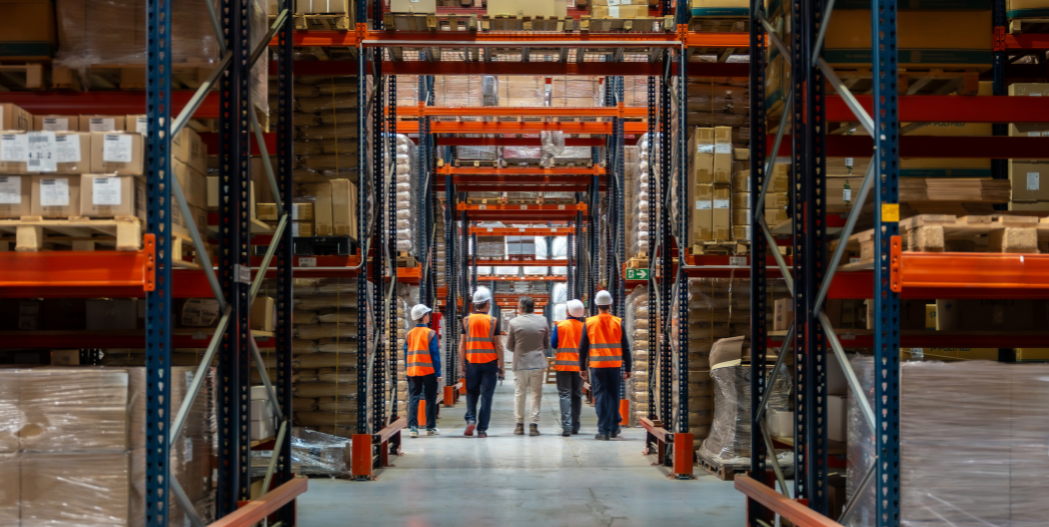
In most organisations, risk isn’t evenly spread. It’s often with operational teams - in warehouses, on shop floors, and out on site. That’s where decisions are made quickly and conditions can change. So the question becomes: do we really understand what the work looks like day to day? Where are the pressure points? What do people need in the moment to work safely? Do they feel able to speak up when something isn’t right?
Safety isn’t only about systems and signage. It’s also comes down to how people respond to each other - and whether the environment around them helps or hinders that.
The role of the environment
Even in higher-risk settings, the physical environment plays a part. When people are busy or under pressure, they rely on what’s in front of them. Clear visual cues, organised spaces, and consistent messaging help people make quicker decisions.
When that clarity isn’t there, risk increases - not because people don’t care, but because the environment isn’t helping them.
Where MBM fits in
This is where MBM supports the day-to-day reality of safety. We work closely with our clients to make sure the right things are in place - both in terms of what people see and what they use.
That includes:
- Clear building and safety signage that’s easy to understand
- Floor graphics and zoning to guide movement in busy environments
- PPE such as gloves, footwear, hi-vis, and head, eye, and respiratory protection
- First aid and fire safety equipment, properly placed and easy to find
- Hygiene and infection control products that support overall wellbeing
It’s practical, everyday support - helping people get on with the job safely without having to think twice about it.
A final thought
World Day for Safety and Health at Work is a chance to step back and take a proper look at what’s in place and how it’s working.
Because the aim isn’t just to meet requirements. It’s to make sure people can do their job safely, every day. And ultimately, it’s about making sure everyone goes home safely at the end of it.
